Is Solar PV Worth It for Rural Homes in Scotland?
Quick answer: Yes. Rural Scottish homes with south-facing roofs can cut electricity bills substantially with solar PV. Paired with battery storage, solar provides energy resilience during outages common in remote Highland and island areas. 0% VAT on qualifying installations applies to 31 March 2027.
Does solar PV work in the Scottish climate?
Yes. Solar PV panels generate electricity from daylight, not direct sunshine. They work effectively even on overcast days, which is the norm in Scotland for much of the year. Scotland actually has good solar irradiance levels during the longer daylight hours of spring and summer, and modern panels are efficient enough to generate meaningful electricity year-round.
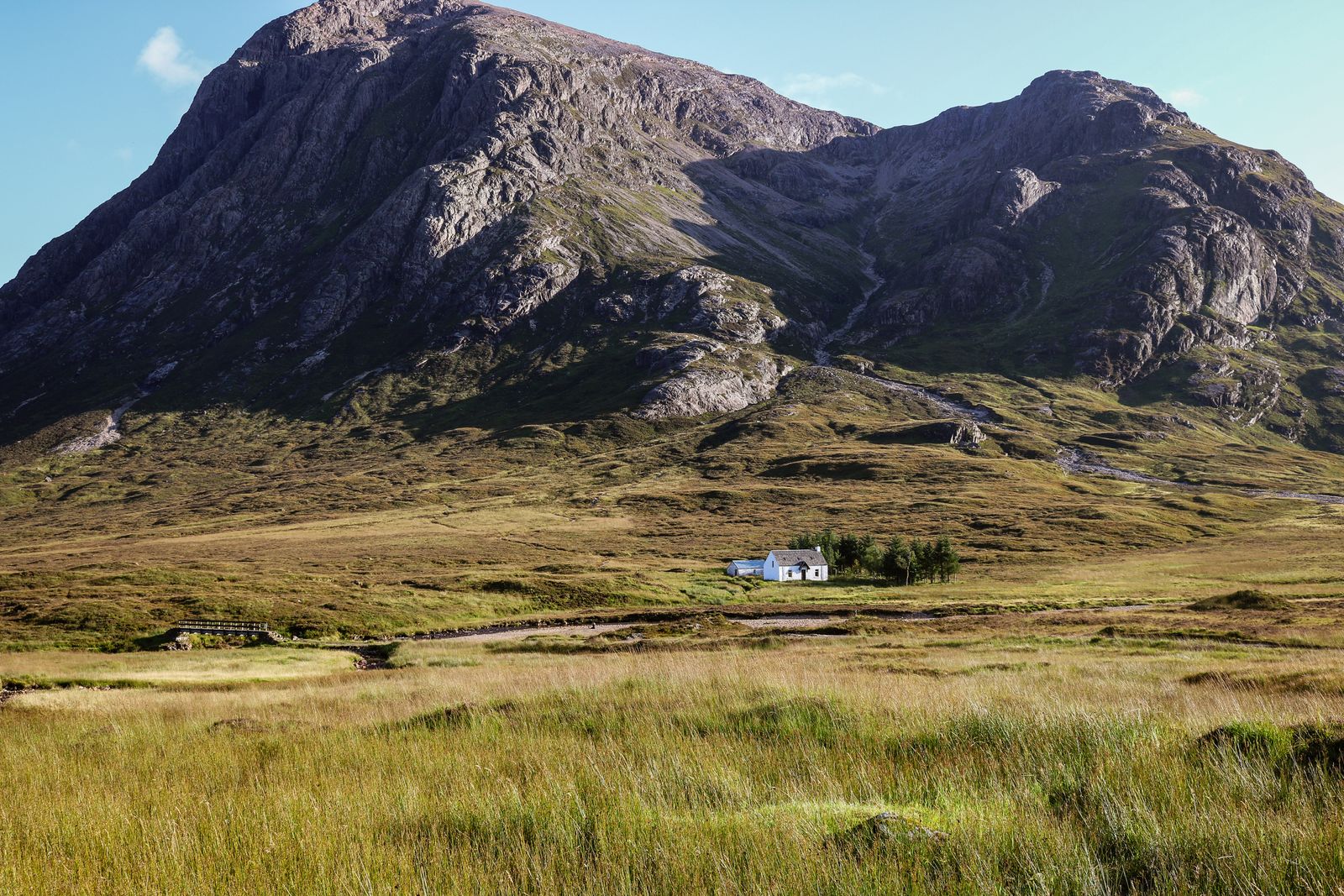
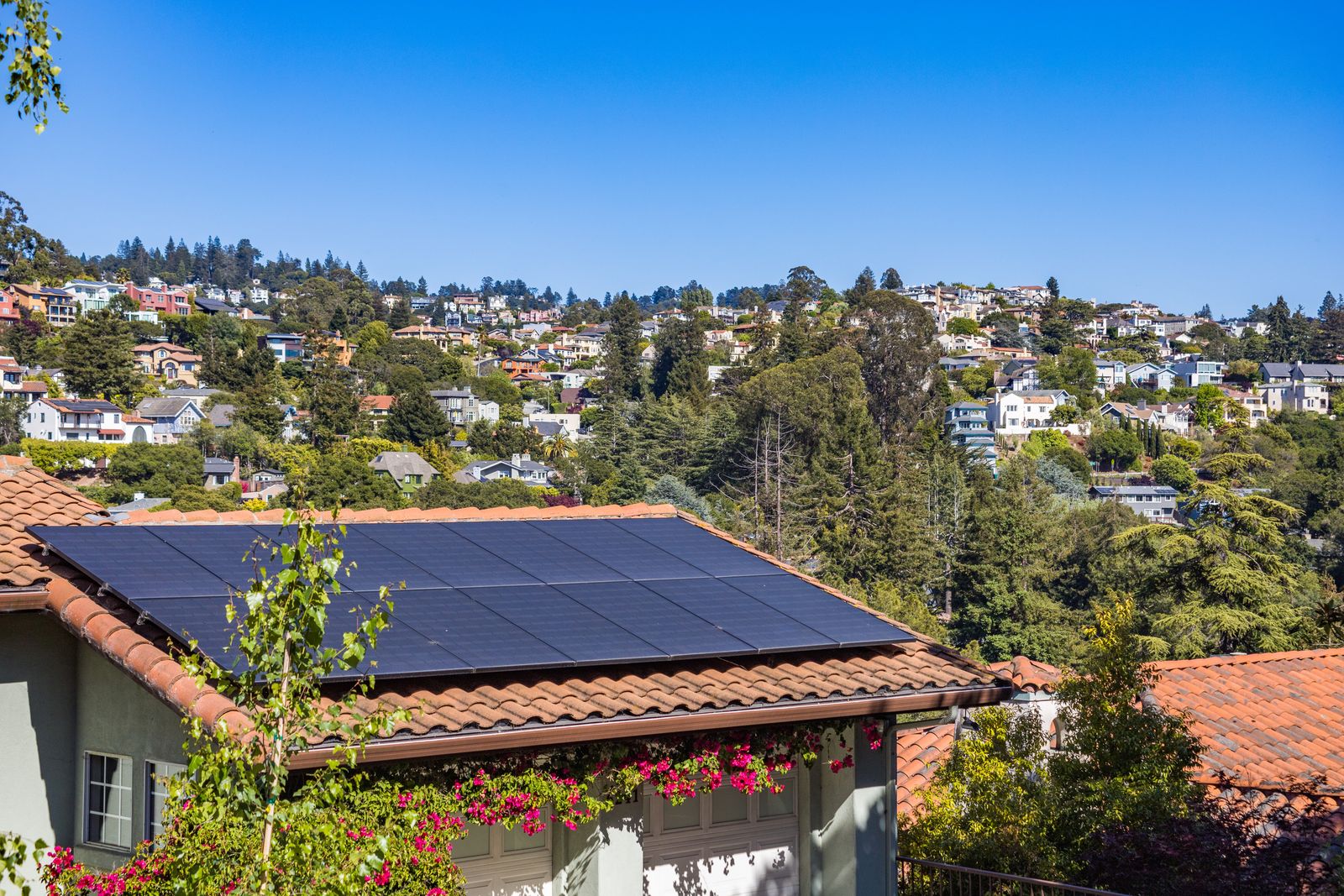
Rural properties in Scotland often have excellent roof conditions for solar PV. Many rural homes have large, unshaded south-facing roofs with no neighbouring buildings to block daylight. East and west-facing roofs are also viable, though south-facing performs best.
What are the benefits for rural and off-gas homes specifically?
Rural and island properties benefit from solar PV in two key ways. First, solar generation directly offsets purchased electricity, reducing bills. Second, when paired with battery storage, solar provides energy resilience during the power outages that are more common in remote Highland and island areas. A battery system stores surplus daytime generation for evening use and keeps essential loads running during grid interruptions.
For properties on oil or LPG heating, adding solar PV with battery storage can significantly reduce overall energy costs. The solar covers daytime electricity needs, the battery covers evenings, and the heat pump (if installed) runs more efficiently on solar-generated electricity during the day.
How much can I save with solar PV?
Savings depend on system size, orientation, consumption, and tariff. Rural homes with south-facing roofs can cut electricity bills substantially. Illustrative figures suggest 30 to 50 per cent reductions depending on usage, system size, and grid connection quality. Your adviser will model your specific property and usage to give you a more accurate estimate.
Surplus electricity exported to the grid can also earn payments through Smart Export Guarantee schemes. Octopus Energy offers an export rate of approximately 12p per kWh as at March 2026. This provides an additional income stream for properties generating more than they consume.
Is 0% VAT available on solar PV?
Yes. 0% VAT on qualifying solar PV installations applies to 31 March 2027. This reduces the upfront cost of your installation by removing the VAT that would otherwise apply. Battery storage installed alongside solar PV also qualifies for 0% VAT.
Should I add battery storage with my solar PV?
For rural and island properties, adding battery storage with solar PV is highly recommended. Battery systems from Tesla Powerwall, Duracell, and Pylontech store surplus daytime generation for evening use and cover outages common in remote areas. Without a battery, surplus generation is exported to the grid for a modest payment. With a battery, you use that energy yourself, which is worth more per unit.
See our solar PV page, our battery storage add-on guide, or more answers from Scottish Energy Efficiency for further information.
Frequently Asked Questions
Do solar panels work in the Scottish Highlands?
Yes. Solar PV panels generate electricity from daylight, not direct sunshine, and work effectively even on overcast Scottish days. Highland properties with south-facing roofs can generate substantial electricity year-round.
How much can I save with solar PV in rural Scotland?
Rural homes with south-facing roofs can cut electricity bills substantially. Savings depend on system size, consumption, and tariff. Your adviser will model your specific property and usage.
Is battery storage worth adding with solar?
For rural and island properties with weaker grid connections, battery storage is highly valuable. It stores surplus daytime generation for evening use and covers outages common in remote areas.
Does 0% VAT apply to solar PV?
Yes. 0% VAT on qualifying solar PV installations applies to 31 March 2027, reducing the upfront installation cost.
Can I export surplus solar electricity?
Yes. Smart Export Guarantee schemes allow you to receive payments for surplus electricity exported to the grid. Octopus Energy offers an export rate of approximately 12p/kWh as at March 2026. Your adviser can advise on current rates.
Last updated: 30 October 2026